

Maintaining your truck involves several key responsibilities, and one of the most critical tasks is to ensure that the oil is changed regularly. The frequency of oil changes can greatly affect the performance and lifespan of your vehicle. Understanding when to change the oil is essential for keeping your truck running smoothly and efficiently.
Several factors influence how often you should change the oil in your truck, including the type of engine, the kind of oil used, and your driving habits. For example, trucks that are frequently used for towing heavy loads or driving in severe conditions may require more frequent oil changes than vehicles driven under normal conditions. It’s crucial to follow the manufacturer’s recommendations found in your truck’s owner manual, as these guidelines are tailored to your specific model.
Regular oil changes not only ensure the longevity of your truck but also improve fuel efficiency and engine performance. By keeping a close eye on oil levels and changing the oil as recommended, you can avoid costly repairs and keep your truck in excellent condition for years to come.
Factors Influencing Oil Change Frequency for Trucks

Several factors play a significant role in determining how often you should change the oil in your truck. Understanding these variables can help maintain engine performance and extend the lifespan of your vehicle.
Firstly, the type of oil used is crucial. Conventional oil typically requires more frequent changes compared to synthetic oil, which offers better protection and can often last longer between changes. The manufacturer’s recommendations should always be consulted to determine the best oil type for your truck.
Secondly, driving conditions greatly affect oil change frequency. Trucks used in extreme environments, such as heavy towing, off-road driving, or frequent short trips, may experience increased engine stress, leading to faster oil degradation. In contrast, trucks primarily used for long highway drives may not need oil changes as often.
Another important factor is the age and condition of your truck. Older vehicles with higher mileage might require more regular oil changes due to wear and tear on engine components, which can lead to increased oil consumption and contamination.
Lastly, monitoring the oil level and its quality regularly can provide valuable insights into when an oil change is necessary. Checking for any unusual changes in oil color, consistency, or odor can help identify potential issues before they escalate.
Signs That Indicate It’s Time for an Oil Change
One of the most critical aspects of truck maintenance is ensuring the engine oil is changed regularly. Here are key signs that indicate it’s time for an oil change.
Firstly, a noticeable drop in oil level can be a sign that you need to change your oil. Regular checks of the dipstick can help you monitor oil levels. If you find that the oil is consistently low, it may be breaking down and losing its effectiveness.
Next, look for changes in the oil’s appearance. Fresh oil typically has a clear, amber color. If your oil appears dark and gritty, it’s time for a change. This indicates that dirt and contaminants are accumulating, which can harm engine components.
Listen for unusual engine noises as well. If your truck’s engine is making knocking or ticking sounds, it may be a warning sign that the oil is no longer providing adequate lubrication. Fresh oil helps maintain a smooth operation, so changes are necessary for optimal performance.
Another important indicator is the oil change light on your dashboard. If this warning light illuminates, it is an immediate signal to check the oil condition and top up or change it as needed.
Finally, if you notice excessive exhaust smoke or a burning smell, these could be crucial indicators that the oil is breaking down and needs immediate attention. Regular oil changes are essential for preventing severe engine issues.
By staying alert to these signs, you can ensure your truck remains in top condition and prolong its lifespan with proper care and timely oil changes.
Comparing Conventional vs. Synthetic Oil Change Intervals
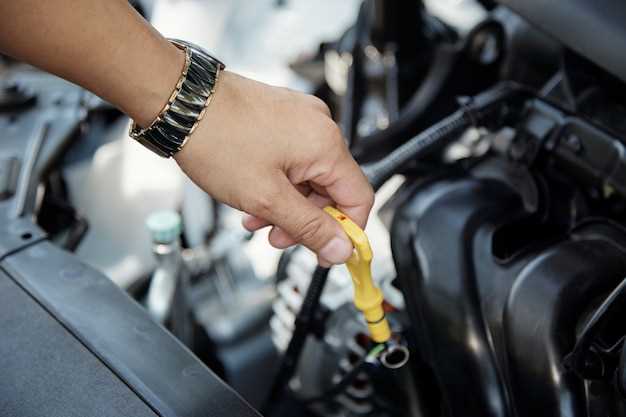
When it comes to truck maintenance, one of the most crucial aspects is choosing the right type of oil and understanding its change intervals. Conventional and synthetic oils each have distinct properties that influence how often you should change them.
Conventional oil is derived from refined crude oil and typically requires more frequent changes, usually every 3,000 to 5,000 miles. This is primarily due to the higher rate of breakdown under heat and stress, which can affect the oil’s protective qualities. For truck owners who prioritize economical options, conventional oil may seem appealing, but the shorter intervals can lead to higher overall costs in the long run.
On the other hand, synthetic oil is engineered to provide better performance and protection for your truck. It lasts significantly longer, with change intervals often recommended between 7,500 to 15,000 miles, depending on the manufacturer’s guidelines. Synthetic oil maintains its viscosity and resists breakdown under high temperatures, ensuring optimal engine care and longevity.
In summary, while conventional oil may be less expensive initially, synthetic oil offers superior performance and longer change intervals that can ultimately save money and extend the life of your truck. Choosing the right oil based on your driving habits and the manufacturer’s recommendations is essential for effective vehicle care.