
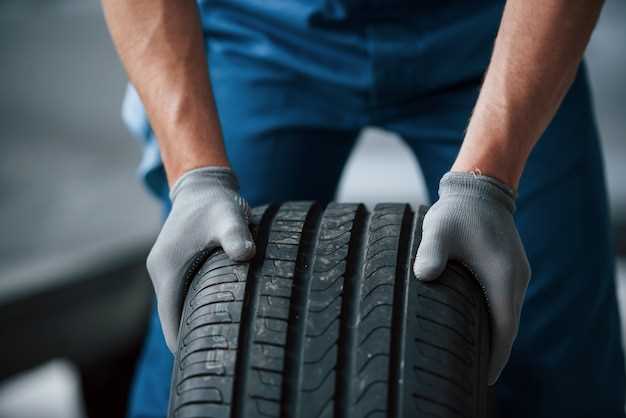
Choosing the right tires for your off-road truck is crucial for optimizing performance, safety, and overall driving experience. The challenges presented by rough terrain require that specific attention be paid to the characteristics of the tires. Off-road conditions vary significantly, from muddy trails to rocky paths, and your selection should reflect these diverse environments.
An off-road truck’s tires are designed differently than standard road tires. They need to provide enhanced traction and durability to withstand the harshest conditions. Key factors to consider include tread design, tire size, and construction material. Each of these elements plays a vital role in ensuring that your truck can handle the obstacles it will encounter on off-road adventures.
Understanding the intended use of your vehicle is the first step in choosing the appropriate tires. Will you be navigating through sand, mud, or rocky trails? Different types of off-road tires are optimized for specific environments, making it essential to choose a model that aligns with your off-road ambitions. This article will guide you through the necessary considerations, helping you make an informed decision for your off-road adventures.
Understanding the Different Types of Off-Road Tires
When selecting off-road tires, it’s essential to understand the various types available, as each type is designed for specific terrains and driving conditions. Choosing the right tires can significantly enhance your truck’s performance and traction.
All-Terrain Tires are versatile options suitable for a mix of on-road and off-road driving. They feature an intermediate tread pattern that provides decent traction in various conditions, making them ideal for drivers who frequently transition between highways and unpaved roads.
Mud-Terrain Tires are specifically designed to excel in muddy and loose terrains. These tires have deep, aggressive tread patterns that effectively bite into soft surfaces, allowing for better grip and flow through mud pits. However, they may produce more road noise and wear down faster on asphalt.
Rock Crawling Tires are tailored for extreme off-roading, particularly over rocky terrains. These tires utilize a rigid sidewall and large, sticky tread patterns to provide maximum grip on uneven surfaces. They are typically larger in size to navigate obstacles effectively.
Sand Tires, or paddle tires, feature unique treads designed to float on soft sand. Their wide, paddle-like lugs help prevent sinking, allowing vehicles to glide over sandy areas without getting stuck. These tires are essential for enthusiasts who frequently drive on beaches or dunes.
Trail Tires are a great choice for off-road trails that feature a mix of rocky and dirt paths. Their tread patterns focus on providing stability and control on uneven surfaces, making them suitable for both light and moderate off-road use.
Additionally, consider the tire’s construction, such as bias-ply or radial. Bias-ply tires are more flexible and provide good traction, while radial tires offer better durability and fuel efficiency on-road. Understanding these differences will help in making informed decisions, ensuring optimal performance based on your off-road adventures.
Key Specifications to Consider When Selecting Tires
When selecting tires for off-road trucks, various specifications play a crucial role in ensuring performance, safety, and durability. Understanding these specifications will help you make an informed decision tailored to your off-road needs.
First and foremost, tire tread design is essential. Off-road tires typically feature aggressive tread patterns with larger lugs to provide superior traction on uneven and slippery surfaces. Look for deep voids between lugs that help in shedding mud, gravel, and sand, allowing for better grip on diverse terrains.
The tire’s aspect ratio is another key specification to consider. This ratio, defined by the tire’s height compared to its width, affects handling and ride comfort. A lower aspect ratio often results in better stability during high-speed off-road maneuvers, while a higher ratio can enhance ride quality over rough terrains.
Tire width also influences how the vehicle interacts with the ground. Wider tires can distribute weight over a larger surface area, reducing ground pressure and enhancing flotation over soft soil and sand. However, there is a trade-off, as wider tires can decrease maneuverability in tight spaces.
The load rating and speed rating are critical for assessing the tire’s capacity to handle weight and speed. Off-road trucks often carry heavy loads, so selecting tires with the appropriate load rating ensures safety and performance. Speed ratings indicate the maximum speed the tire can safely maintain, which is vital even in off-road conditions.
Additionally, tire construction type–whether radial or bias-ply–affects durability and performance. Radial tires typically offer better fuel efficiency and a smoother ride, while bias-ply tires are known for their ruggedness and resistance to punctures, making them a solid choice for extreme off-road conditions.
Lastly, consider the material and compounds used in tire manufacture. High-quality rubber compounds enhance durability and resistance to abrasions and cuts, which are common in off-road environments. Tires with reinforced sidewalls can better withstand impacts and provide additional protection against sharp objects.
In summary, carefully evaluating tread design, aspect ratio, tire width, load and speed ratings, construction type, and material quality will lead to a well-informed decision when selecting off-road tires for your truck. Each specification contributes significantly to overall performance, offering the best possible off-road experience.
Maintenance Tips for Prolonging Off-Road Tire Life

To extend the lifespan of your off-road tires, regular maintenance is essential. Begin by checking tire pressure frequently. Maintaining the recommended PSI ensures optimal performance and prevents uneven wear. Under-inflated tires can lead to increased friction, while over-inflation may result in reduced traction and risk of damage.
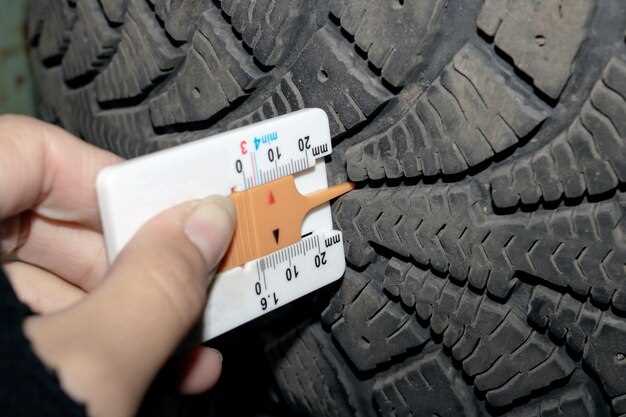
Inspect your tires for debris, stones, and other materials that can become lodged in the treads. Regular cleaning helps avoid punctures and extends the rubber’s integrity. Additionally, monitor tread depth to gauge tire wear. If the tread is worn down to 4/32 of an inch or less, consider replacing the tires to maintain peak performance and safety.
Rotate your tires regularly to promote uniform wear. Depending on your driving habits and terrain, aim for a rotation schedule every 5,000 to 7,000 miles. This practice redistributes wear across all tires and prolongs their overall life. Furthermore, aligning your vehicle can prevent uneven tire wear caused by misalignment, ensuring every tire maintains even contact with the ground.
Lastly, consider the terrain you frequently encounter. Using tires specifically designed for your typical off-road conditions will reduce stress on the tires. Avoiding unnecessarily rough areas when possible can also minimize damage and extend the life of your tires significantly.