
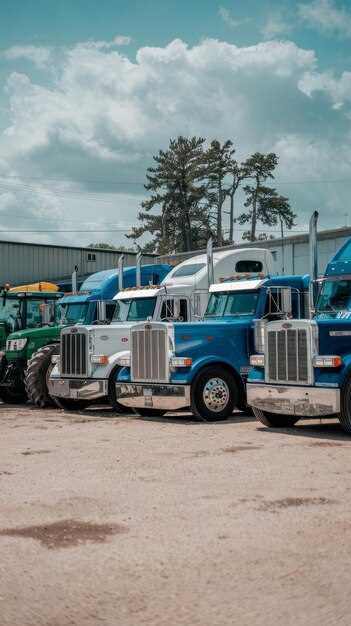
Establishing a dependable truck fleet is essential for businesses operating in the logistics sector across Texas. With its vast landscapes and extensive transportation networks, the state presents unique challenges and opportunities for fleet managers. The significance of having a reliable fleet cannot be overstated, as it directly impacts delivery times, operational efficiency, and customer satisfaction.
In Texas, the demand for efficient logistics solutions is continually growing, propelled by the state’s booming economy and thriving industries. To stay competitive, companies must invest in the right vehicles, maintenance practices, and technology. A well-planned fleet can enhance service delivery, minimize operational risks, and ultimately drive profitability.
Building a reliable fleet involves careful consideration of various factors, including vehicle selection, driver training, and route optimization. By prioritizing these elements, businesses can ensure that their logistics operations are not only effective but also sustainable in the long run. As the Texas trucking industry evolves, adapting to modern demands will position companies for future success.
Assessing Your Operational Needs for Truck Procurement
Before acquiring trucks for your fleet, a thorough assessment of your operational needs is essential. Understanding how your business operates, the types of goods transported, and the geographical areas served will inform your procurement strategy.
Define Your Requirements
Identify the specific tasks your trucks will perform. Will they be used for long-haul transportation or short local deliveries? This distinction will influence the type of truck suitable for your fleet. Consider factors such as payload capacity, fuel efficiency, and vehicle size to align with your logistical requirements.
Evaluate Load and Cargo Types
Assess the nature of the loads your trucks will carry. Different cargo types necessitate various truck specifications. For instance, transporting perishables may require refrigerated trucks, while construction materials might need heavier-duty models. Understanding these nuances will ensure you select suitable vehicles for your fleet.
Consider Terrain and Routes
In Texas, the diversity of terrain–from urban areas to rural landscapes–impacts truck performance. Review the typical routes your fleet will navigate, including road conditions and potential challenges. Invest in trucks capable of handling specific terrains to enhance reliability and efficiency.
Budget and Financial Considerations
Your budget will significantly influence the procurement process. Evaluate the total cost of ownership, which includes the purchase price, maintenance, fuel efficiency, and insurance. Balancing initial costs with long-term operational efficiency will help to maximize your investment in your truck fleet.
Future Growth and Scalability
As your business expands, your fleet will need to adapt. Consider growth projections and how many additional trucks you may need in the future. Opting for versatile truck models can accommodate changing operational demands and facilitate fleet scalability.
By conducting a comprehensive assessment of your operational needs, you can make informed decisions about truck procurement, ensuring your fleet is reliable and efficient in meeting your business objectives.
Implementing Maintenance Schedules to Minimize Downtime

Establishing a reliable truck fleet in Texas requires a strategic approach to maintenance that prioritizes minimal downtime. Creating and implementing a proactive maintenance schedule can significantly enhance the longevity and performance of each vehicle in the fleet. This strategy not only ensures safety but also optimizes logistics operations.
Regular maintenance checks should be planned based on the manufacturer’s recommendations and the specific usage of each truck. This includes routine inspections of crucial components such as brakes, tires, and engines. By adhering to a scheduled maintenance plan, fleet managers can identify potential issues before they escalate into major problems, thereby reducing the risk of unexpected breakdowns.
Utilizing a fleet management software can streamline the process of tracking maintenance schedules. These tools allow for real-time monitoring of each vehicle’s condition and maintenance history, facilitating timely interventions. Automated reminders for upcoming maintenance can ensure that no vehicle is overlooked, thus enhancing consistency across the fleet.
In addition to routine checks, implementing seasonal maintenance can account for Texas’s varying weather conditions. Preparing vehicles for extreme heat or storms can prevent performance issues and lengthy downtimes. Fleet managers should adapt their maintenance schedules to reflect these environmental factors, ensuring that all trucks operate efficiently throughout the year.
Finally, training drivers on basic vehicle maintenance and encouraging them to report any irregularities can further minimize downtime. When drivers are engaged in the upkeep of their trucks, it fosters a culture of responsibility and proactive care. Collectively, these strategies lead to a well-maintained fleet that operates smoothly, thus supporting robust logistics operations in Texas.
Leveraging Technology for Fleet Management and Logistics Optimization
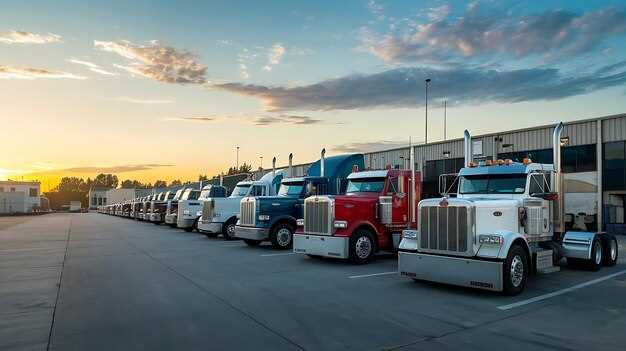
The integration of technology into fleet management is revolutionizing logistics operations across Texas. With advancements in software and hardware solutions, fleet operators can optimize their logistics processes, reduce costs, and improve service delivery.
Utilizing GPS tracking is one of the most significant technological advancements in fleet management. This technology allows fleet managers to monitor the real-time location of vehicles, facilitating efficient route planning and minimizing delays. Enhanced visibility leads to better decision-making and resource allocation, leading to cost savings and improved customer satisfaction.
Another essential tool is fleet management software, which streamlines various operations. This software helps in scheduling maintenance, tracking mileage, and managing fuel consumption. By keeping vehicles in optimal condition, companies can prevent costly breakdowns and extend the lifespan of their fleet.
Data analytics plays a crucial role in logistics optimization. By analyzing data collected from vehicles, fleet managers can identify patterns and trends that help in making informed decisions. Whether it’s understanding fuel efficiency or driver behavior, data-driven insights enable companies to refine their logistics strategies and enhance overall productivity.
Moreover, route optimization algorithms empower fleet operations by calculating the most efficient paths for delivery. These algorithms consider variables such as traffic conditions and road closures, ensuring that shipments reach their destinations on time, thereby enhancing customer trust and loyalty.
Incorporating automation in fleet operations also plays a vital role in logistics optimization. Automated dispatch systems can efficiently assign deliveries to drivers, reducing idle time and increasing overall fleet efficiency. This not only speeds up service delivery but also lowers operational costs.
As technology continues to evolve, embracing innovations such as telematics will further enhance fleet management. This technology offers insights into vehicle performance and driver habits, allowing for ongoing improvements in fleet efficiency and safety.
In conclusion, leveraging technology for fleet management and logistics optimization is essential for building a reliable truck fleet in Texas. By adopting cutting-edge solutions, fleet operators can achieve greater efficiency, reduced costs, and superior service quality in an increasingly competitive environment.