

Installing a lift kit on your vehicle is a popular modification that can significantly enhance its off-road capabilities and overall appearance. By raising the vehicle’s suspension, a lift kit allows for improved ground clearance, enabling better maneuverability over obstacles and rough terrains. Furthermore, a lift kit can create a more aggressive stance, giving your vehicle a distinctive look that sets it apart from others on the road.
However, implementing a lift kit is not without its drawbacks. While the benefits are substantial, it is crucial to consider potential downsides before proceeding with this modification. Increased height can affect the vehicle’s center of gravity, leading to changes in handling and stability. Additionally, the installation process itself can be complex and may require subsequent adjustments to ensure optimal functionality.
In this article, we will delve into the various benefits and drawbacks of lift kit installation, providing you with an informed perspective to help you decide whether this modification is the right choice for you. Understanding the implications of lifting your vehicle will allow for a better overall experience, ensuring that your investment meets your expectations in both performance and aesthetics.
Improved Off-Road Performance: How a Lift Kit Enhances Capability
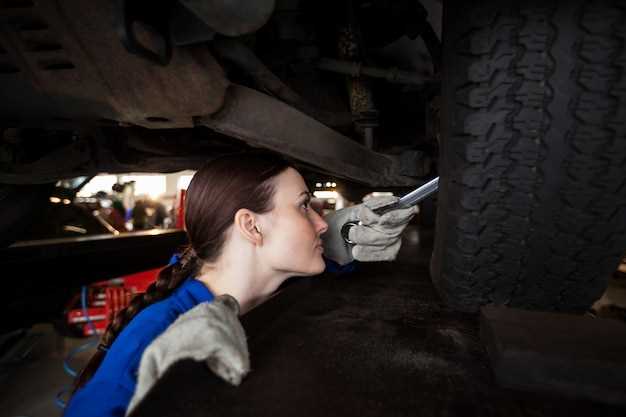
Installing a lift kit is a popular modification among off-road enthusiasts looking to improve their vehicle’s performance in challenging terrains. By raising the vehicle’s height, a lift kit increases ground clearance, allowing the vehicle to traverse obstacles such as rocks, logs, and deep mud without getting hung up. This added clearance is essential for preventing damage to the undercarriage, especially when navigating uneven surfaces.
Additionally, a lift kit often enables the use of larger, more aggressive tires. Larger tires enhance traction and provide better grip on slippery or loose surfaces, significantly improving the vehicle’s ability to climb steep inclines or navigate through difficult trails. With greater space for suspension travel, the vehicle can absorb shocks more effectively, ensuring a smoother ride over bumpy terrain.
Another benefit of a lift kit is the improved approach, departure, and breakover angles. These angles dictate how steep of an incline or decline a vehicle can navigate without getting stuck or losing contact with the ground. By modifying the vehicle’s height, a lift kit allows for steeper ascents and descents, making off-road adventures more accessible and enjoyable.
Moreover, a lift kit can improve visibility. A higher vantage point gives drivers better sight lines, allowing them to spot obstacles and challenges ahead more easily. This increased awareness can lead to safer off-road experiences, as drivers can better judge their surroundings and make informed decisions on the trail.
Overall, a lift kit serves as a transformative modification for off-road vehicles by enhancing ground clearance, traction, suspension travel, and visibility. By installing a lift kit, drivers can maximize their vehicle’s capability and take on more adventurous terrains with confidence.
Impact on Vehicle Stability and Handling: What to Expect After Installation
Installing a lift kit is a popular modification among off-road enthusiasts and truck owners, aiming to enhance ground clearance and improve off-road capabilities. However, this lift can significantly affect vehicle stability and handling, which is essential to consider before proceeding with the installation.
One of the immediate effects of a lift is the change in the vehicle’s center of gravity. Elevating the chassis alters the weight distribution, leading to a higher center of gravity. While this can enhance ground clearance and approach angles, it may also result in increased body roll during cornering, reducing overall stability. Drivers should anticipate a more top-heavy feel, especially when navigating sharp turns or sudden maneuvers.
Additionally, a lift kit can impact suspension geometry. Changes in shock absorber angles and link lengths can affect ride quality and handling characteristics. Many lifted vehicles experience altered suspension dynamics, which could lead to a harsher ride or a tendency to bounce more frequently over bumps. This is particularly noticeable on uneven terrain, where the vehicle may feel less composed compared to its stock configuration.
Furthermore, tire size often increases in conjunction with a lift kit. Larger tires can enhance traction and performance off-road, but they also add weight and can introduce new variables in handling. The steering response may become slower, and drivers might notice a slight increase in steering effort, especially at higher speeds. Proper alignment and recalibration of the steering system may be necessary to mitigate these issues.
In summary, while a lift kit can provide significant benefits, such as improved ground clearance and off-road capability, it is crucial to understand the trade-offs regarding stability and handling. Potential changes in center of gravity, suspension dynamics, and steering response should influence your decision-making process and driving expectations after installation.
Cost Considerations and Long-Term Maintenance: Is a Lift Kit Worth It?
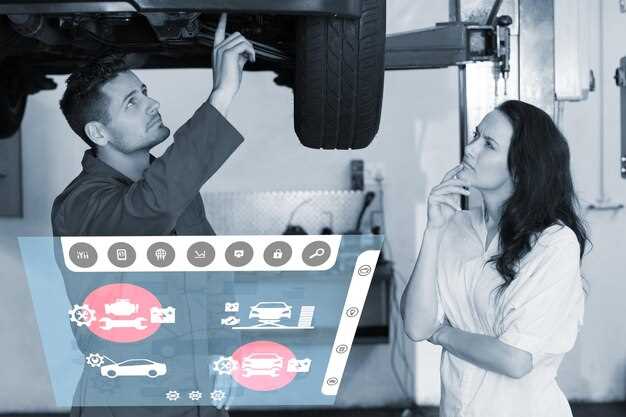
When considering a lift kit installation, it’s essential to evaluate both immediate expenses and long-term implications. The initial cost of a lift kit can vary significantly based on the type, brand, and complexity of the installation. Basic kits can range from a few hundred to a couple of thousand dollars, while more advanced modification systems might exceed this range. This expense often includes parts and labor, with professional installation recommended for optimal performance and safety.
In addition to initial costs, vehicle owners must account for ongoing maintenance expenses associated with a lift kit. Modifications can affect the vehicle’s suspension, steering, and tires, leading to potential adjustments in alignment and increased wear on certain components. As a result, regular inspections and maintenance might be necessary, which can add to the overall cost of ownership.
Insurance premiums may also be affected by the installation of a lift kit. Some insurance providers might classify lifted vehicles as a higher risk, which could result in increased premiums. It’s crucial to consult with your insurance company before proceeding with any modifications to understand how they might impact your coverage.
Considering the added expenses, one must weigh the benefits of enhanced off-road capability and aesthetic appeal against these financial factors. For some, the thrill of off-roading and the visual impact of a lifted vehicle is well worth the investment, while others may prioritize practicality and long-term costs over such modifications. Ultimately, determining whether a lift kit is worth it depends on individual preferences, intended use, and financial considerations.