
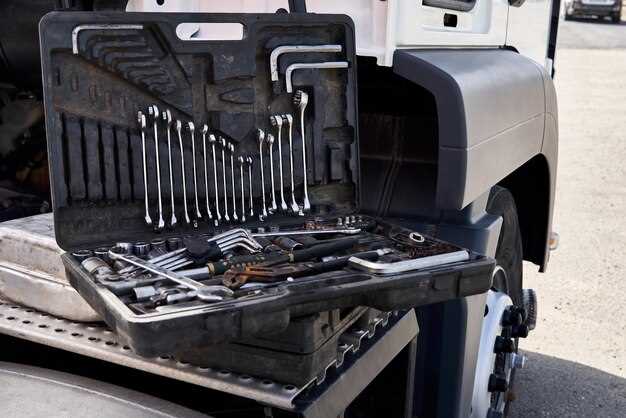
As the demands of modern work environments evolve, so too do the tools and equipment professionals rely on for efficiency and safety. In 2025, work trucks will need to be equipped with toolboxes that not only maximize storage but also enhance accessibility and organization. A well-designed toolbox can make a significant difference in the productivity of tradespeople and contractors who depend on their trucks to perform their tasks effectively.
Choosing the right toolbox for your work truck is crucial. It’s about more than just storage; it’s about ensuring that every tool is within reach when you need it most. In the fast-paced world of construction, plumbing, and electrical work, having a clutter-free workspace allows for faster, safer, and more efficient job completion. With advancements in technology and materials, the toolboxes of 2025 are set to revolutionize how work trucks are utilized on-site.
In this article, we will explore the best toolboxes for work trucks that you should consider integrating into your fleet. From modular designs to specialized storage solutions, these toolboxes are crafted to meet the evolving needs of today’s workforce. Discover the features that make these toolboxes stand out and how they can transform your work truck into a mobile workshop.
Durability and Weather Resistance: Choosing the Right Materials
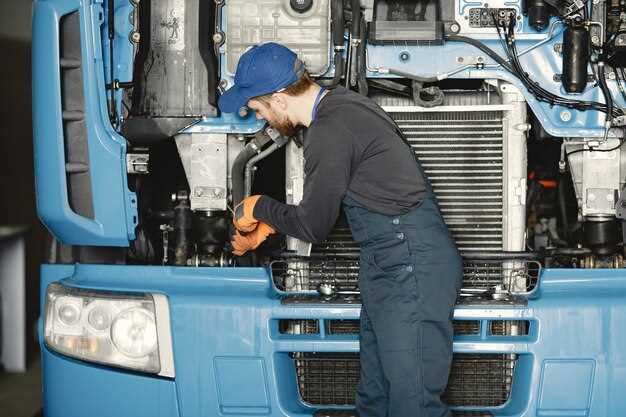
When outfitting your work truck with the right toolbox, the choice of materials is crucial for ensuring longevity and performance under harsh conditions. Toolboxes are subjected to various stresses, including heavy loads, impacts, and exposure to the elements, making durability a top priority.
Steel is a popular choice for truck toolboxes due to its strength and resistance to wear. Look for toolboxes made of high-quality, rust-resistant steel, often coated with protective finishes to enhance weather resistance. An option to consider is stainless steel, which provides superior corrosion resistance, making it ideal for environments with heavy rainfall or road salt.
Aluminum is another excellent alternative, particularly for those who prioritize weight savings. Aluminum toolboxes are lightweight yet strong, which helps maintain the overall agility of the work truck. However, ensure the aluminum used is thick enough to withstand regular handling and environmental factors.
Additionally, consider the design features that contribute to weather resistance. Look for toolboxes that have sealed edges and secure latches to prevent water ingress. The inclusion of heavy-duty gaskets will further protect tools from moisture and dust, maintaining their usefulness for years.
Lastly, polycarbonate or high-density polyethylene toolboxes are gaining traction for their impact resistance and lightweight construction. These materials are not only durable but also resistant to UV damage, making them suitable for outdoor use without significant deterioration over time.
In conclusion, selecting the right materials for a work truck toolbox involves balancing durability, weight, and weather resistance. Evaluate your specific needs and the typical conditions your truck will face to ensure your toolbox stands the test of time.
Organization Features That Maximize Space and Accessibility
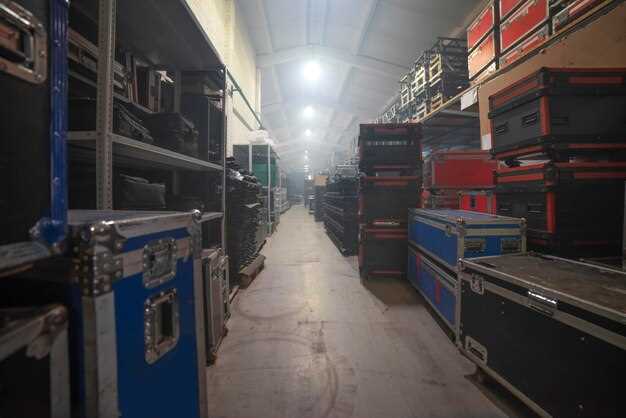
Effective organization in a work truck toolbox is crucial for maximizing efficiency and productivity. In 2025, toolbox designs are expected to incorporate advanced storage solutions that utilize every inch of space while ensuring easy access to tools and equipment. One of the primary characteristics is modular storage systems that allow users to customize the layout according to their specific needs. This feature enables workers to rearrange compartments to accommodate different sizes and types of tools, thereby optimizing the available space.
Additionally, built-in drawers and sliding trays can significantly enhance accessibility. Rather than rummaging through a chaotic toolbox, workers can conveniently pull out a drawer to access tools quickly. This design feature minimizes downtime, allowing for a more streamlined workflow. Furthermore, deep drawers with adjustable dividers enable users to organize tools by category, ensuring that frequently used items are readily available.
Toolboxes in 2025 are also expected to integrate vertical storage solutions. Utilizing vertical space effectively can free up floor space in the toolbox, making it easier to fit larger items. Hanging racks or pegboards installed on the inside of the toolbox lid can allow for quick visibility and access to smaller tools and accessories, reducing the chances of losing items in the confines of the box.
Another important organizational feature is the inclusion of clear labels and color-coded bins. This system not only improves visibility but also aids in quick identification of tools, reducing the time spent searching for specific items. Smart technology may also play a role in organization, with toolboxes featuring onboard inventory management systems that keep track of items and alert users when they are running low on essential tools.
Lastly, weight distribution and accessibility are key factors in modern toolbox design. Work truck toolboxes are being engineered to ensure that heavier tools are placed at lower levels to maintain balance while driving, and toolboxes with side entries allow for easy access without needing to climb on or into the truck. As work requirements evolve, these organization features will remain indispensable for maximizing both space and accessibility, ultimately enhancing the overall efficiency of work truck operations.
Security Options to Protect Your Tools on the Job Site
When it comes to work trucks, ensuring the safety of your toolbox and tools is a top priority. A secure toolbox not only protects your investment but also prevents job delays due to theft or damage. Here are some essential security options to consider for your toolbox on the job site.
First, investing in a high-quality, lockable toolbox can make a significant difference. Look for models that feature heavy-duty locks and reinforced latch systems. This adds an extra layer of security against unauthorized access. Some toolboxes even come with built-in security systems that include alarms or tracking devices.
Next, consider using a theft-resistant mounting system. Secure your toolbox to the truck bed using robust brackets or straps. This prevents opportunistic thieves from easily removing it during the workday or overnight. Such systems are designed to be strong yet easy to use, ensuring your tools remain safe while still being accessible to you.
Another effective option is the use of surveillance technology. Installing a camera system or using motion-activated lights around your work area can deter thieves and provide evidence in case of theft. Some modern cameras offer remote access through your smartphone, allowing you to monitor your toolbox’s security in real-time.
Additionally, having a designated area for storing tools can enhance overall job site security. Create a secure zone where tools and toolboxes are kept together. Use a combination of fencing and lighting to make this area less attractive to potential thieves. Clearly marked signage can further communicate that the area is monitored and restricted.
Lastly, always make an inventory of your tools and toolbox contents. Keep a detailed list with serial numbers and photos. In the unfortunate event of theft, this documentation will be invaluable for reporting to authorities and insurance claims.
In conclusion, investing in robust security options for your toolbox on the job site can prevent losses and enhance efficiency. A secure environment not only protects your tools but also contributes to a safer and more productive work experience.